Each person’s journey is unique, with different starting points, challenges, and goals. A voyage guided by science-based coping strategies can increase our chances of successfully navigating the waters. Emotion-focused coping, on the other hand, involves managing the emotional fallout from a stressful situation. This could mean taking a bubble bath after http://www.rektimereklam.com/index.php/2020/10/28/resisting-pressure-to-vape/ a hard day or meditating to find our inner peace.
Terms of Service
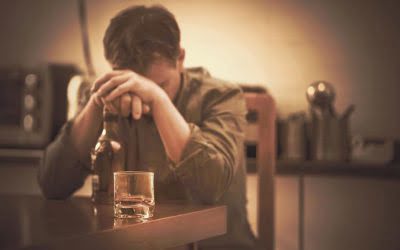
For those in addiction recovery, using alcohol as a coping mechanism can set them down the path of addiction all over again. Instead, it’s vital to look for creative ways to deal with stress, grief, and anxiety in a way that won’t harm your health or sobriety. For some, grabbing a drink is the easiest way to deal with something they don’t know how to handle or do not want to. Continued avoidance of life’s challenges and lack of healthy coping mechanisms can be direct facilitators of problematic drinking down the road. At Monument, we’re here to help you identify and adopt the healthy coping mechanisms that work best for you and allow you to see how you can get more out of life by drinking less.
Directional Models
Terlecki,et al. 18 had hypothesized that social anxiety would be positivelyrelated to drinking on all three subscales. They found that studentswith high social anxiety reported heavier drinking in NegativeEmotion situations and Personal/Intimate situations as comparedto students with low social anxiety. However, contrary to theresearcher’s hypotheses, students with high social anxiety did notdrink significantly more than students with low social anxiety insocial/convivial situations. Social anxiety and binge drinking remain consistent mentalhealth and behavioral issues for students across universities,colleges, and various institutions. In addition to the self-medicationmodel, there are additional models that suggest no causalrelationships between the two disorders (i.e., The Common FactorModel) and that Social Anxiety Disorder is a result of alcoholwithdrawal and recent abstinence (Substance- Induced AnxietyModel) 2.
The Importance of Addressing Defects in Recovery
Indeed, a notable strength of the current study was the inclusion of diagnostic data for depression and suicidality, as well as for AUDs in adulthood, underscoring that these transactions are related to serious and impairing diagnostic difficulties in adulthood. Critically, however, despite these mean-level differences between males and females, we did not find gender differences in structural relations across these domains over time. Given that our study covers the span from late adolescence to early adulthood, it is possible that earlier gender differences in associations between depression and alcohol use may have attenuated, although we were not able to examine such a possibility in the current study.

2.1. Drinking Motives
By uncovering the underlying causes and deconstructing old habits, you can set the stage to rebuild. Putting your feelings on paper is another very effective way to release difficult emotions and clarify your thoughts. Constant exposure to the negativity and grim news on social media (doom scrolling) and TV can fuel anxiety. Try to limit screen time and replace it with something enjoyable such as watching drug addiction treatment a good movie or reading a book.
Finally, given the correlational nature of the study, it is not possible to rule out the possibility that patients who are more motivated to stop drinking are also more motivated to acquire various skills, so that motivation is the key variable accounting for both variables we studied. However, the differential relationship of some skills but not others to drinking outcomes is not easily addressed by this third-variable explanation. The goal of the present study was to examine the efficacy of each individual general lifestyle and situation-specific coping skill as predictors of treatment outcome in alcohol dependent patients so as to provide guidance for clinicians. A previously published study used only total scores for the USS and General Strategies for Alcohol (GSA; Monti et al., 2001) as predictors, presented the psychometric properties, and investigated effects of treatment type on total scores.
Behavioral measures

However, using alcohol as a alcohol as a coping mechanism catch-all way to balance out emotional experience or become less present has some real consequences. Alcohol abuse and dependence can often arise from the use of alcohol as a coping mechanism. Sometimes, people will take on extra responsibilities at work to avoid responsibilities at home. As things at home get worse, many people turn to drugs or alcohol as a means to continue avoiding an unpleasant situation. For this reason, throwing yourself into work may seem like a healthy coping strategy, but it’s actually dangerous and could lead to more serious problems down the road. These are the people, places, and situations that invoke addiction memories and elicit cravings that increase the risk of substance use and relapse.
- Every step you take in the interest of your own self-care is one step closer to achieving your ideal self.
- Clinicians working with female students who liveoff-campus should be sensitive to signs that underlying any otherissues is a sense of fear that may be complicating any other issuesthat they bring to therapy.
- You’ll meet millions of fellow Reframers in our 24/7 Forum chat and daily Zoom check-in meetings.
- MDD diagnoses were directly, and independently, predicted by depressive symptoms and substance use coping.
The role of substance use coping in linking depression and alcohol use from late adolescence through early adulthood
- Alcohol – the psychoactive substance you know and love is a sure-shot way of relaxing and unwinding, especially in social settings.
- The participant was told that (s)he could drink as much as is needed to make a decision, but that (s)he must be accurate to receive compensation for this part of the study ($10).
- Therefore, the possibility of such a relationshipshould not be dismissed based on these results.
- Subjects are presented with pairs of matched alcoholic (beer) and non-alcoholic beverages for 500 ms (stimulus-onset asynchrony, SOA).
- In fact, about20 percent of people with Social Anxiety disorder also suffer fromeither alcohol dependence or abuse 8.
- Further, we relied on a stressor task that was social in nature in the present study, and thus findings may not generalize when individuals are under other types of stress.
Although depressive symptoms were not directly related to AUD diagnoses, they indirectly predicted such diagnoses via substance use coping, as mentioned previously. When your daily stress level increases, the amount of alcohol consumption needed to relax or mask feelings often increases, too. Drinking alcohol may feel like an effective coping strategy, but it can eventually add another layer of stress to your life and make you always feel less than satisfied.
- Participants who insist to leave with a blood alcohol concentration still being higher than 0.4‰ (only expected in rare cases) are sent home with a taxi.
- If you grew up in a home where alcohol abuse was prevalent, you might also be at risk.
- Because of these qualities, alcohol becomes a way to distance oneself from stressors or challenges an individual may be facing.
- This guide explores what character defects are, how they impact recovery, and strategies for overcoming them.
Watching the live coaching calls and engaging in the community helped me build new tools for dealing with life’s challenges without resorting to alcohol. Unfortunately, alcohol prevents our bodies from going back to their normal state, forcing it to set a new idea of adequately functioning. Additionally, researchers have linked cortisol to the development of metabolic disorders and psychiatric disorders such as depression. When our bodies experience stress, it shifts its normal metabolic processes into high gear. Suddenly, our bodies get a surge of cortisol, which increases glucose levels and starts mobilizing fat and protein. A healthy body will have a quick spike of cortisol levels, followed by a rapid decrease once the stress is over.
